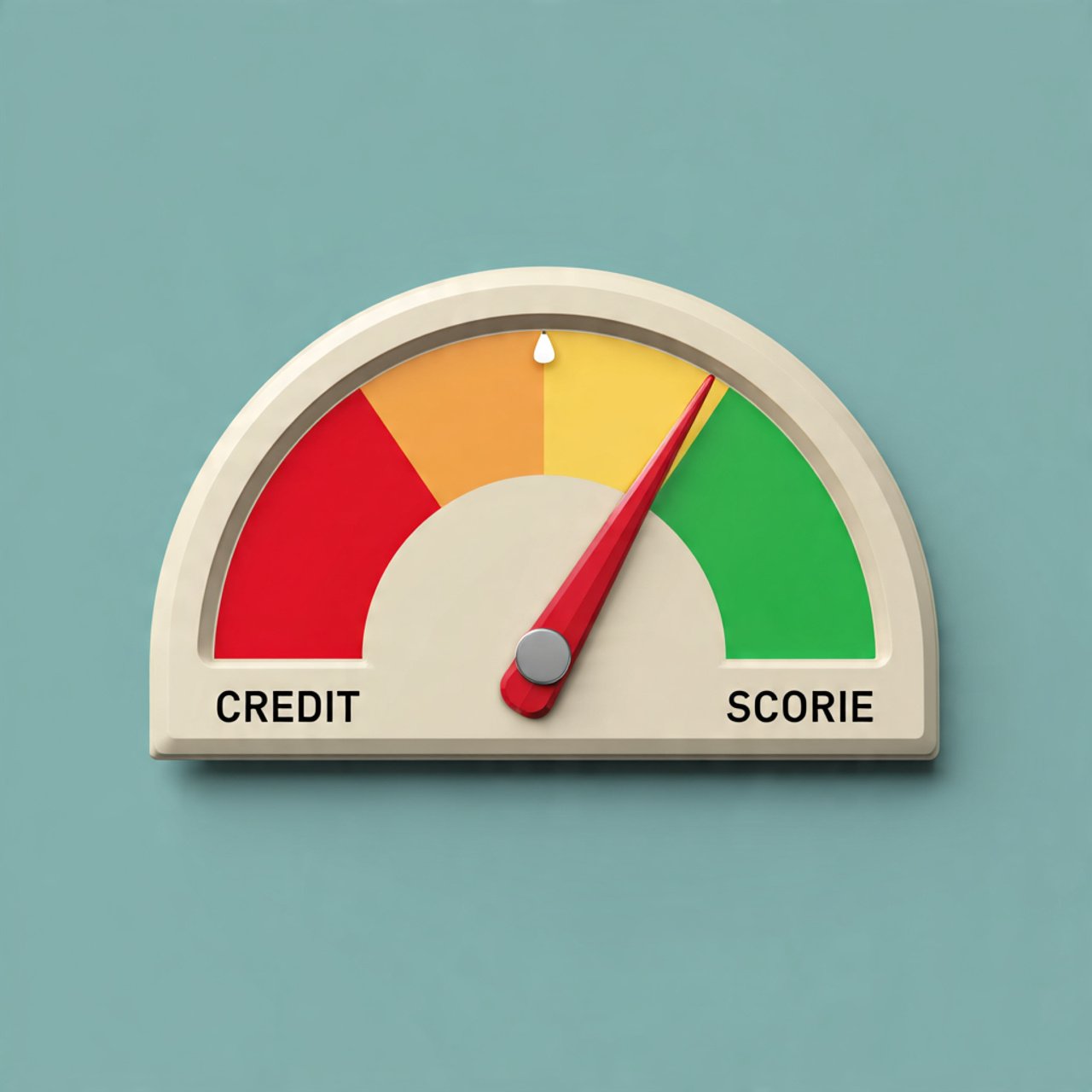
Maxing out a credit card is one of the fastest ways to damage your credit score, even if you’ve never missed a payment. Many people assume that as long as they pay the bill on time, their credit will be fine. Unfortunately, credit scoring models don’t work that way. High balances, especially when a card is maxed out, signal financial stress and elevated risk to lenders.
Understanding exactly how maxing out a credit card affects your credit score can help you avoid costly mistakes and recover faster if it’s already happened. This article explains the full impact, why it happens, how long the damage lasts, and what to do to fix it.
What Does “Maxing Out” a Credit Card Mean?
A credit card is considered maxed out when the balance is at or very close to the card’s credit limit. Even using 90% of your limit can have nearly the same effect as using 100%.
For example:
- Credit limit: $5,000
- Balance: $4,800–$5,000
From a lender’s perspective, this suggests that you are relying heavily on borrowed money and have little remaining credit flexibility.
Why Maxing Out a Credit Card Hurts Your Credit Score
The biggest reason maxing out a card hurts your score is credit utilization.
Credit utilization measures how much of your available revolving credit you’re using. It accounts for about 30% of your credit score, making it one of the most influential factors.
High utilization tells lenders:
- You may be overextended
- You could struggle with cash flow
- You have limited capacity to handle new expenses
A maxed-out card is one of the strongest negative utilization signals possible.
The Two Ways Maxed-Out Cards Affect Utilization
Maxing out a card impacts your score in two separate ways:
Individual Card Utilization
Each credit card is evaluated on its own. A single card at 90–100% utilization can hurt your score, even if other cards have low balances.
Overall Credit Utilization
Your total balances across all cards are compared to your total available credit. A maxed-out card increases your overall utilization, amplifying the damage.
This is why spreading balances across cards is often better than maxing out one.
How Much Can Your Credit Score Drop?
The exact impact depends on your credit profile, but the drop can be significant.
Typical effects include:
- A 30–50 point drop for moderate credit profiles
- A 50–100+ point drop for people with otherwise excellent credit
- Larger swings for people with thin or rebuilding credit
The better your credit was before, the more dramatic the drop often feels.
Why Even One Maxed-Out Card Is a Red Flag
You don’t need to max out all your cards to cause damage. One card at the limit can still hurt you.
Reasons include:
- Lenders evaluate per-card risk
- High utilization on one card suggests concentrated financial pressure
- Scoring models penalize extreme usage
This is why people are often confused when their score drops despite having plenty of unused credit elsewhere.
Why Paying On Time Doesn’t Cancel the Damage
One of the biggest misconceptions is that on-time payments offset high balances.
While payment history is the most important factor, utilization reflects current behavior, not past reliability.
A maxed-out card tells lenders:
- You are currently under financial strain
- Your risk level has increased
- Your ability to absorb new debt is limited
So even perfect payment history can’t fully protect your score from high utilization.
When Credit Card Balances Are Reported
Timing matters more than most people realize.
Credit card issuers typically report balances to credit bureaus:
- On the statement closing date
- Not on the payment due date
If your balance is maxed out when the statement closes, that balance gets reported—even if you pay it off in full a few days later.
This explains why some people see score drops despite paying on time.
Short-Term vs Long-Term Damage
The good news is that utilization damage is not permanent.
Short-term impact
- Score drops quickly when a card is maxed out
- Can affect loan approvals, interest rates, and credit limits
Long-term impact
- Damage disappears as balances decrease
- No long-lasting mark if payments remain on time
Unlike missed payments, maxing out a card does not leave a lasting scar once corrected.
How Long Does the Damage Last?
Utilization resets as soon as new balances are reported.
This means:
- Paying down the balance can improve your score within 30 days
- Significant paydowns often lead to immediate score increases
Few credit factors recover this quickly.
Additional Risks of Maxing Out a Credit Card
Beyond utilization, maxing out cards creates other problems.
Increased interest charges
High balances generate more interest, making it harder to pay down debt.
Higher likelihood of missed payments
Large balances strain cash flow, increasing the risk of late payments—which cause far more damage.
Account reviews by issuers
Banks may reduce limits, freeze accounts, or close cards when they see maxed-out behavior.
Reduced approval odds
High utilization makes lenders hesitant to approve new credit, even with good scores.
How to Fix a Maxed-Out Credit Card Situation
If you’ve maxed out a card, focus on reducing the reported balance as quickly as possible.
Effective strategies include
- Paying down the balance before the statement closing date
- Making multiple payments per month
- Prioritizing cards with the highest utilization
- Avoiding new charges during payoff
- Asking for a credit limit increase once balances drop
Even partial paydowns can produce meaningful score improvements.
What Utilization Levels Should You Aim For?
To minimize credit damage:
- Under 30% utilization: Avoids major penalties
- Under 10% utilization: Ideal for excellent scores
- Under 5% utilization: Often optimal
For individual cards, keeping balances low on each card matters as much as total utilization.
Is Zero Utilization Better Than Maxing Out?
Absolutely—but zero utilization isn’t always optimal either.
Many scoring models prefer:
- Small, active usage
- Low reported balances
A small balance reporting at 1–5% utilization often performs better than zero.
Common Mistakes After Maxing Out a Card
Avoid these errors:
- Closing the card (reduces available credit)
- Applying for multiple new cards immediately
- Ignoring statement dates
- Paying only the minimum
- Using another card to maintain the same spending level
Fixing utilization requires changing balance behavior, not shifting debt around.
How to Prevent Maxing Out Cards in the Future
Prevention is easier than recovery.
Smart habits include
- Setting balance alerts
- Tracking spending weekly
- Keeping emergency savings
- Avoiding lifestyle spending on credit
- Using multiple cards lightly instead of one heavily
Systems beat willpower.
Why Lenders Care So Much About Maxed-Out Cards
From a lender’s perspective, maxed-out cards suggest:
- Financial pressure
- Limited liquidity
- Higher default risk
Even if you’ve never missed a payment, lenders price risk based on current exposure—not intention.
The Big Takeaway
Maxing out a credit card is one of the most damaging short-term actions you can take for your credit score. It sends a strong risk signal, triggers utilization penalties, and can affect approvals and interest rates almost immediately.
The upside is that the damage is reversible. By understanding reporting timing, utilization thresholds, and smart payoff strategies, you can repair the impact faster than most people realize.
Frequently Asked Questions (FAQ)
1. Will maxing out a credit card ruin my credit forever?
No. Utilization damage is temporary and improves as soon as balances are reduced.
2. How fast will my score recover after paying down a maxed-out card?
Often within one billing cycle (30 days), once lower balances are reported.
3. Is it worse to max out one card or spread balances across cards?
Maxing out one card is usually worse. Both per-card and total utilization matter.
4. Can a credit limit increase help after maxing out a card?
Yes, if spending stays the same. Higher limits lower utilization instantly.
5. Does maxing out a card affect loan approvals?
Yes. High utilization can reduce approval odds and increase interest rates, even with good scores.